- Repair window
- –
- Last repair
- –
- This season
- –
- Longest outage
- –
Electrical skill and
Generator knowledge, a
Screwdriver, and a stack of
Electronics Scrap. Go to the site and right-click the control panel to see exactly what you're short of.
Everything on this page is read from the server within ten seconds of it happening. The cards show the state of each utility, the ledger shows every attempt, and the guide below explains what you need before you set out.
Electrical skill and
Generator knowledge, a
Screwdriver, and a stack of
Electronics Scrap. Go to the site and right-click the control panel to see exactly what you're short of.
Mechanics skill, a
Wrench,
Metal Pipe, a
Rubber Hose and
Duct Tape. Plant parts from plumbing suppliers make the repair safer and longer-lasting.
Both power and water utilities require upkeep from players to remain running.
What to bring, what can go wrong, and why the sites are the most dangerous ground on the map.
Early in the season the Knox Country grid and water network fail, as they do on any Zomboid server. The difference here is that the outage isn't permanent: with the right skills, tools and parts, survivors can repair either utility at its site and keep it running for as long as they're willing to maintain it. Keeping the lights on and the taps running is the players' responsibility, and the only path to power and water is through the sites.
When a utility is within 5 in-game days of failing, its repair window opens and the card above turns amber. You can repair early to bank days, or wait for it to go dark. Waiting is cheaper in parts and more expensive in everything else.
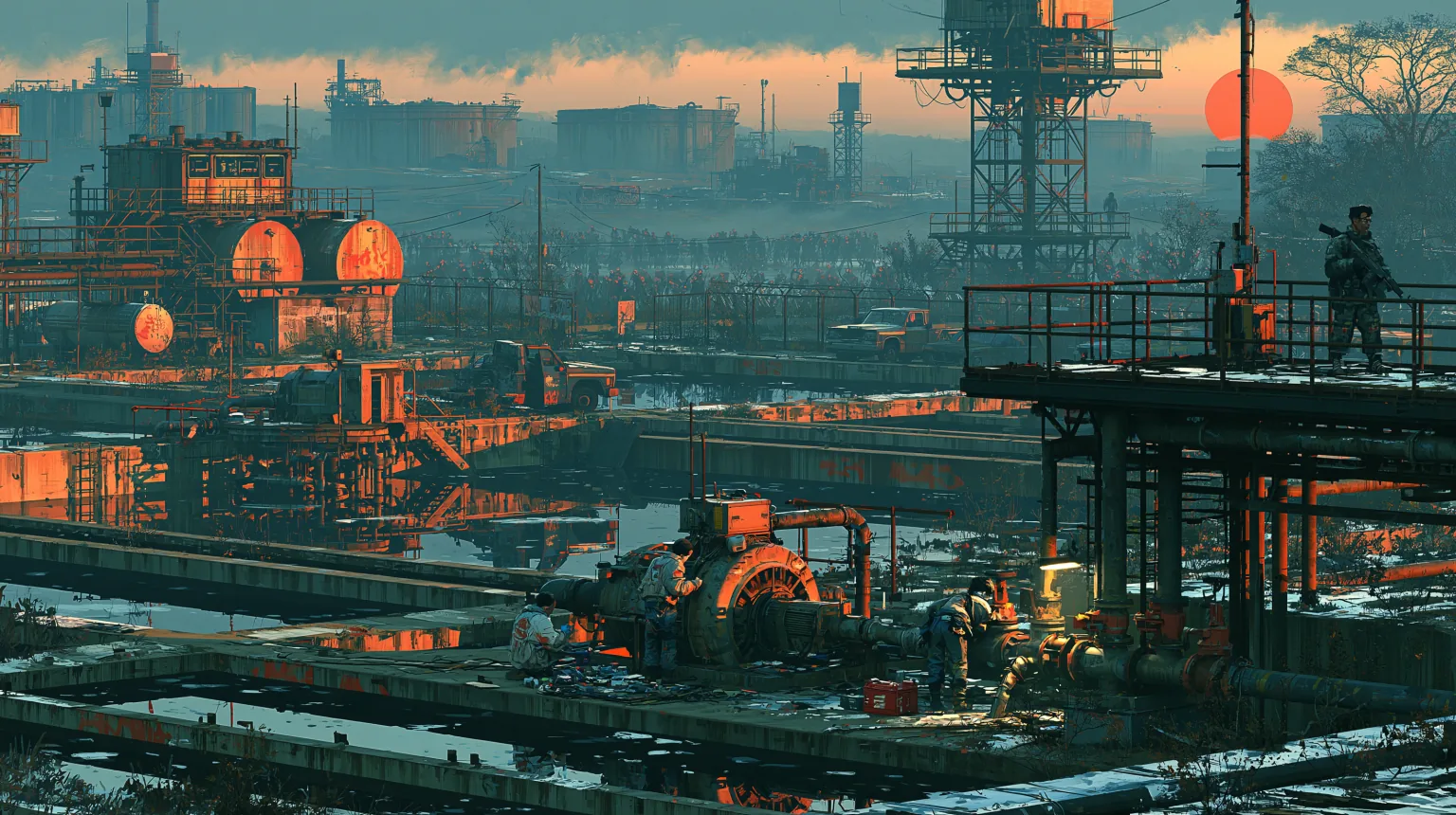
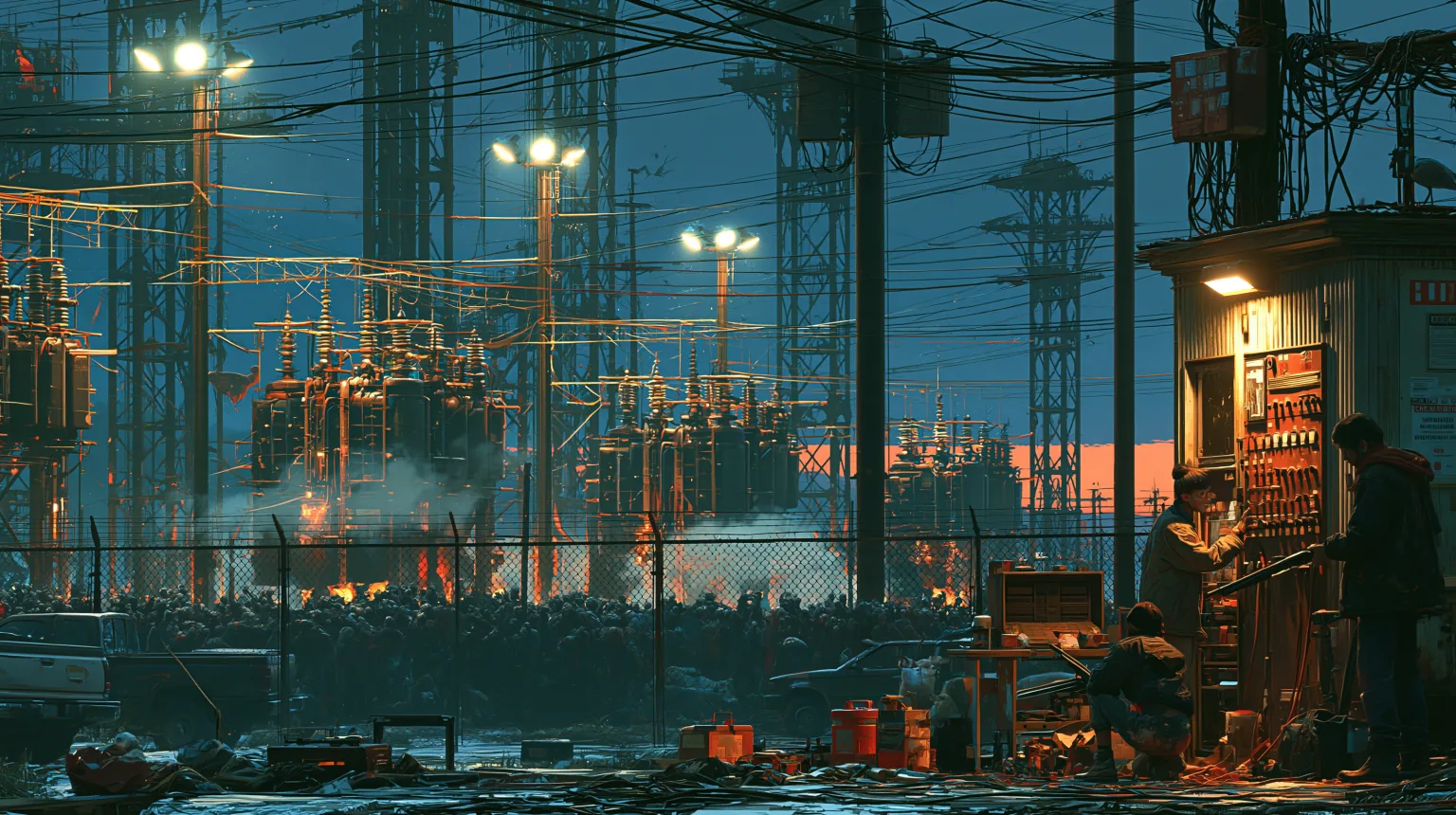
Power is repaired at the Louisville substation. Water is repaired at the Rosewood water treatment plant. Both are always shown on your in-game map.
Both sites are PvP regardless of where you spawned, and a repair is loud: it carries a long way and draws everything that hears it. Expect zombies, and expect anyone who saw the "failing soon" card to be waiting. It's dangerous work, and you'll most likely want other players watching your back while you do it.
| Power grid | Water network | |
|---|---|---|
| Skill | ||
| Tool (kept) | ||
| Parts (used up) | A stack of | |
| Specialist parts | ||
| Where to check | Right-click the computer console at the water treatment plant, or the substation yard. The tooltip shows what you need, what you have, and the likelihood of success or failure. | |
Every repair can fail, and a failed repair can hurt you. Higher skill means fewer failures, fewer injuries and more days banked per success. A low-skill attempt uses up the parts either way.
Specialist parts shift the odds: some make the repair quieter or faster, some cut the injury risk, some add days or let you use fewer parts. The better grade does more. A pump controller on a water repair also tops up the power a little, which is why the leaderboard counts both colours.
Every attempt, success or failure, is posted to #utilities in Discord the moment it happens, with the player's name if they've linked their account. Failed attempts show without the details, so a rival learns the site is contested but not what you were carrying.
Only once the window opens, 5 in-game days before failure. A successful early repair adds its days on top of what's left.
Yes. Generators, rain collectors and wells are unaffected. The grid matters for everyone who doesn't have them.
The tooltip tells you how it's likely to go in words, never numbers. Working out what a "could go either way" means at your skill is part of it.
The repair stops and the parts you'd loaded are gone. Whoever killed you can finish it with their own parts. That's the point of the site being PvP.
No. It never shows coordinates, injuries or what a player was carrying. A failed attempt says it failed, and nothing else.
Days restored go on the leaderboard and count towards Helix Points once those launch. The top repairer each season is in the Hall of Fame.